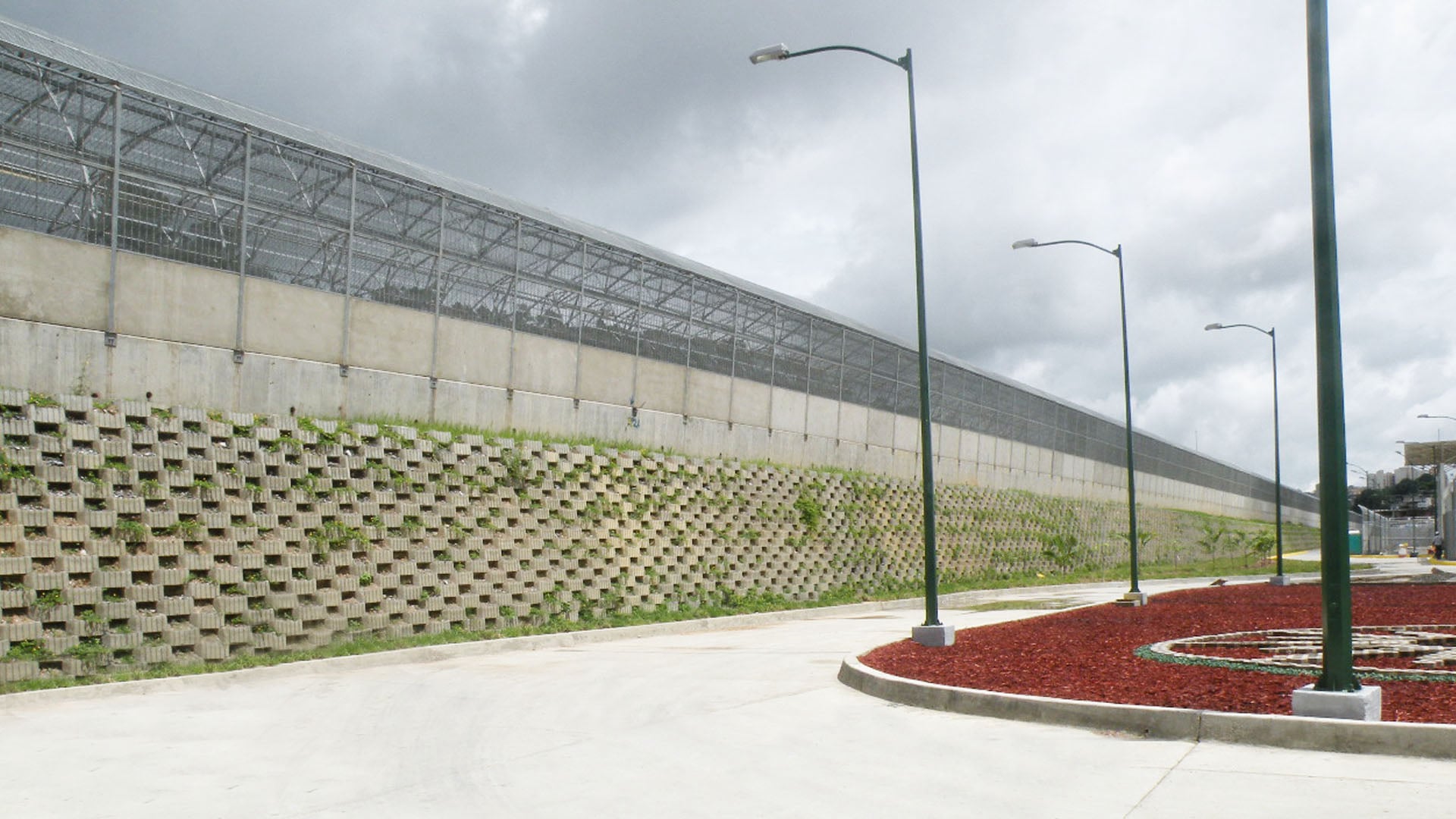
Discover how Pittsburgh is revolutionizing retaining wall design by incorporating environmental considerations into slope stabilization methods.
Pittsburgh, Pennsylvania, located in the northeastern United States, is a city known for its rich industrial history and vibrant culture. Situated at the confluence of the Allegheny, Monongahela, and Ohio Rivers, Pittsburgh's geography is defined by its beautiful river valleys and rolling hills. The city is also home to numerous bridges, earning it the nickname "The City of Bridges." The surrounding landscape provides residents and visitors with breathtaking views and opportunities for outdoor activities such as hiking, biking, and boating.
With a population of approximately 300,000 people, Pittsburgh is the second-largest city in Pennsylvania. The metropolitan area, known as the Pittsburgh Metro, has a population of over 2.3 million. The city has a diverse population, with a mix of cultures and ethnicities contributing to its unique character. Pittsburgh is widely recognized for its friendly and welcoming atmosphere, making it an attractive destination for both tourists and residents.
Pittsburgh experiences a humid continental climate, characterized by hot summers and cold winters. The city enjoys all four seasons, with temperatures ranging from an average high of 85°F (29°C) in summer to an average low of 23°F (-5°C) in winter. Spring and autumn bring mild temperatures and colorful foliage, making these seasons particularly enjoyable for outdoor activities.
Pittsburgh boasts numerous major attractions that showcase its rich history and cultural offerings. The Carnegie Museum of Natural History and the Andy Warhol Museum are popular destinations for art and history enthusiasts, while sports fans can catch a game at Heinz Field (home to the Pittsburgh Steelers) or PNC Park (home to the Pittsburgh Pirates). The city is also famous for its vibrant food scene, with a wide variety of restaurants offering diverse culinary experiences.
In terms of institutions and schools, Pittsburgh is home to several esteemed universities and research centers. The University of Pittsburgh, Carnegie Mellon University, and Duquesne University are among the renowned educational institutions that attract students from around the world. These universities contribute to the city's intellectual and cultural vibrancy, fostering innovation and academic excellence. Additionally, Pittsburgh has a strong public school system, offering quality education to its residents at all levels.
Overall, Pittsburgh is a city that offers a blend of natural beauty, cultural richness, and educational opportunities. Its geography, population, climatic conditions, major attractions, and institutions make it a unique and appealing place to live, visit, and explore.
Consider the environment when designing your Pittsburgh retaining wall. Environmental considerations play a vital role in the design process, ensuring the functionality and sustainability of the project.
When it comes to retaining walls in Pittsburgh, it's important to hire experienced retaining wall contractors who understand the importance of environmental considerations. Retaining wall installation in Pittsburgh should be done with careful attention to minimizing the impact on the surrounding natural environment.
This includes choosing suitable materials that are environmentally friendly and exploring efficient drainage solutions to prevent erosion and water damage.

Solid Retaining Walls
700 Forbes Avenue Apt 218,
Pittsburgh, PA, 15219
Phone Number:
724-787-1235
Email:
solidretainingwalls@gmail.com
Website:
https://solidretainingwalls.com/
When designing a Pittsburgh retaining wall, it's essential to incorporate natural drainage solutions to ensure proper water management and prevent potential issues.
Natural drainage solutions play a crucial role in maintaining the stability and functionality of retaining walls by effectively redirecting water away from the structure.
One effective method is the use of permeable materials, such as gravel or crushed stone, in the construction of the wall. These materials allow water to pass through, reducing the buildup of hydrostatic pressure behind the retaining walls pittsburgh pa.
Additionally, incorporating strategically placed weep holes or drainage pipes can further enhance the drainage system by providing an outlet for excess water.
To effectively balance aesthetics and functionality in your Pittsburgh retaining wall design, it's important to regularly assess and prioritize both aspects.
Aesthetics play a crucial role in enhancing the visual appeal of your retaining wall and integrating it harmoniously into the surrounding landscape. Consider the overall design theme and choose materials, colors, and textures that complement the existing environment. Additionally, incorporating decorative elements such as plantings, lighting, and architectural features can further enhance the aesthetic appeal.
However, it's equally important to ensure that the retaining wall functions effectively in its primary role of providing stability and preventing soil erosion. Adequate wall height, proper drainage, and a solid foundation are critical factors to consider.
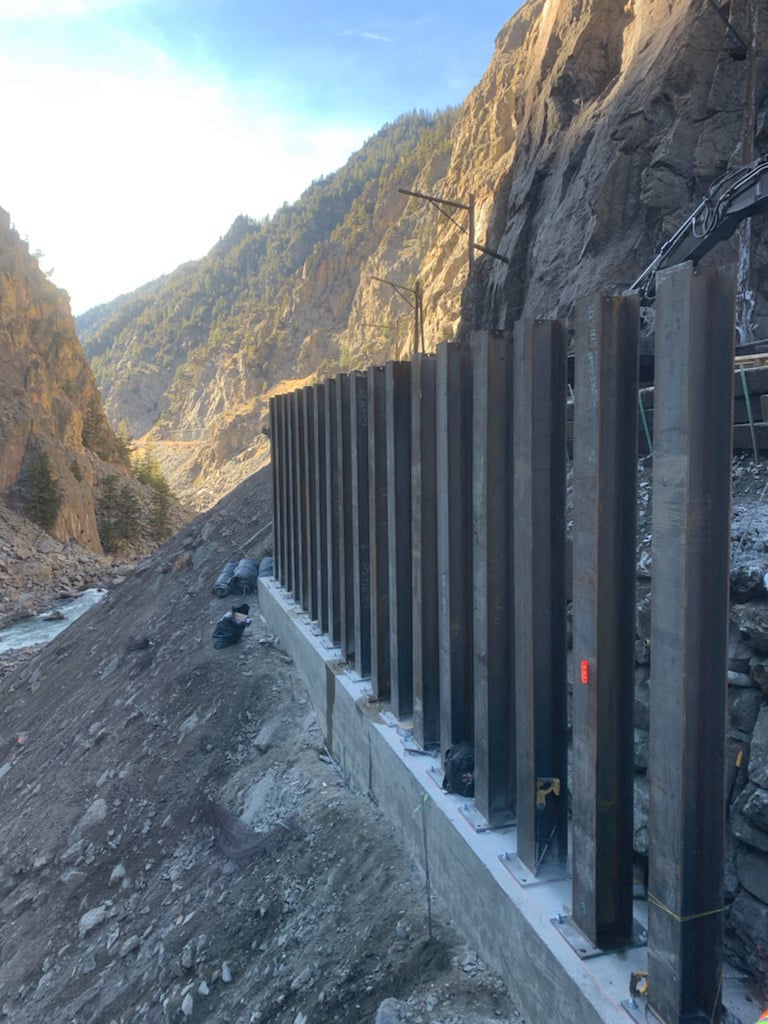
Regular maintenance and consideration of environmental impact are essential for the long-term sustainability of your Pittsburgh retaining wall design.
To ensure the longevity and functionality of your retaining wall, it's important to implement a comprehensive maintenance plan. Regular inspections should be conducted to identify any signs of damage or deterioration, such as cracks or shifting. Prompt repairs should be made to address these issues and prevent further damage.
Additionally, proper vegetation management is crucial to prevent the growth of invasive plant species that can weaken the wall's structural integrity.
It's also important to consider the environmental impact of your retaining wall design. By using sustainable materials and implementing erosion control measures, you can minimize the potential negative effects on the surrounding ecosystem.
Regular maintenance and environmental considerations will help preserve the integrity of your retaining wall while minimizing its impact on the environment.
You can use a variety of materials for retaining walls. Some options include interlocking blocks, natural stone, and lock blocks. These materials offer different aesthetics and functionality, allowing you to choose what suits your yard design best.
To determine the appropriate height for your retaining wall, consider factors like the slope of your yard, the soil type, and the purpose of the wall. Consult professionals like Solid Retaining Walls for expert guidance and assistance.
To build a retaining wall, you'll need permits. Contact your local building department for specific requirements. They'll guide you through the process, ensuring compliance with regulations and helping you create a safe and beautiful retaining wall for your yard.
To ensure your retaining wall has a solid foundation, consult with Solid Retaining Walls. They have the expertise to determine suitable materials, wall heights, and drainage solutions. Trust their skilled team for safe and efficient installation.
To incorporate drainage solutions into your retaining wall design, consider using perforated pipes behind the wall to redirect water away. Gravel backfill and weep holes can also help prevent water buildup and maintain the stability of your wall.

Solid Retaining Walls
700 Forbes Avenue Apt 218,
Pittsburgh, PA, 15219
Phone Number:
724-787-1235
Email:
solidretainingwalls@gmail.com