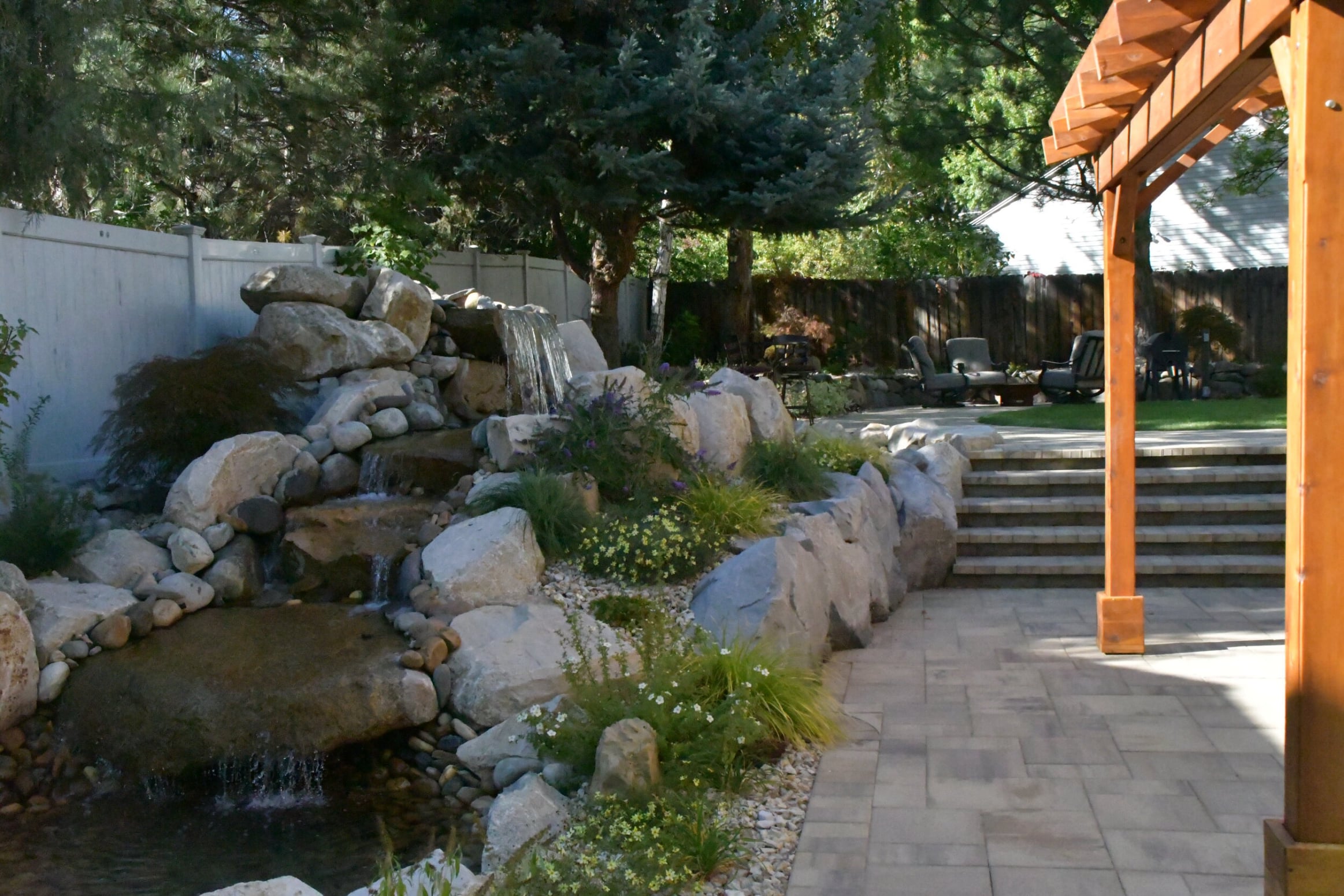
Discover the top 5 budget-friendly hacks to fix your retaining walls in Pittsburgh. Save money without compromising on quality.
Pittsburgh, Pennsylvania, known as the "Steel City," is a vibrant metropolis located in the western part of the state. Situated at the confluence of three rivers—the Allegheny, Monongahela, and Ohio—Pittsburgh boasts a unique geography that has shaped its development. The city is nestled among hills and valleys, providing residents and visitors with stunning panoramic views of its skyline and the river valleys below. The city's topography also lends itself to a variety of outdoor activities, such as hiking, biking, and boating.
With a population of approximately 300,000, Pittsburgh is the second-largest city in Pennsylvania. However, when considering the wider metropolitan area, the population swells to over 2.3 million people. The city is known for its diverse population, with residents from various ethnic backgrounds contributing to its cultural fabric. Pittsburgh is also home to several renowned universities and research institutions, attracting a large student population.
Pittsburgh experiences a humid continental climate, characterized by four distinct seasons. Summers are warm and humid, with temperatures averaging in the mid-80s Fahrenheit (around 30 degrees Celsius). Winters can be cold, with temperatures dropping below freezing and occasional snowfall. Spring and fall are mild and pleasant, making them ideal seasons to explore the city's outdoor attractions.
The city of Pittsburgh offers a plethora of attractions that cater to diverse interests. For sports enthusiasts, Heinz Field, PNC Park, and the PPG Paints Arena are must-visit venues, hosting football, baseball, and hockey games respectively. The city is also renowned for its vibrant arts scene, with attractions such as the Andy Warhol Museum, the Carnegie Museum of Art, and the Pittsburgh Symphony Orchestra. Additionally, visitors can explore the historic Strip District, which offers a variety of shops, restaurants, and food markets.
Pittsburgh is home to numerous esteemed higher education institutions, including the University of Pittsburgh and Carnegie Mellon University. These institutions attract students from around the world and contribute to the city's reputation as a center for innovation and research. In addition to universities, Pittsburgh boasts a strong public school system and several private schools, providing quality education options for residents of all ages.
In summary, Pittsburgh, PA, is a city with a unique geography, diverse population, distinct climate, and a wealth of attractions and educational institutions. Its combination of natural beauty, cultural offerings, and academic excellence make it an appealing destination for tourists and a desirable place to live for residents.
To begin assessing the damage to your retaining wall, start by carefully inspecting the structure for any signs of wear or instability. Look for cracks, bulges, or leaning sections that may indicate structural issues. Check for any erosion or water damage, as this can weaken the wall over time.
Pay attention to any loose or missing stones or blocks, as these can compromise the stability of the wall. Additionally, examine the drainage system to ensure it's functioning properly and not causing any water buildup behind the wall.
If you notice any of these issues, it's advisable to contact a professional retaining wall services provider in Tacoma, WA, such as Tacoma Retaining Walls. They've extensive experience in retaining wall installation, replacement, and repairs, and can provide the necessary expertise to address any damage and restore the structural integrity of your retaining wall.

Solid Retaining Walls
700 Forbes Avenue Apt 218,
Pittsburgh, PA, 15219
Phone Number:
724-787-1235
Email:
solidretainingwalls@gmail.com
Website:
https://solidretainingwalls.com/
Repairing cracks and fissures in your retaining wall is crucial to maintaining its structural integrity and preventing further damage. When it comes to addressing these issues, it's important to conduct a thorough inspection to determine the extent of the damage.
Cracks and fissures can occur due to various factors such as soil movement, water pressure, or excessive weight on the wall. Once the cause of the cracks is identified, appropriate repair methods can be implemented. This may involve filling the cracks with epoxy or polyurethane injections, or using mortar to patch the damaged areas.
It's important to ensure that the repairs are done properly, as any gaps or weak spots can compromise the stability of the wall. Regular maintenance and monitoring of the retaining wall can help identify cracks and fissures early on, allowing for timely repairs and preventing further deterioration.
One important aspect to consider when addressing cracks and fissures in your retaining wall contractors pittsburgh is implementing efficient drainage solutions.
Proper drainage is crucial for the long-term stability and functionality of your retaining wall. Without proper drainage, water can accumulate behind the wall, leading to increased pressure and potential damage.
To prevent this, it's essential to incorporate drainage features such as weep holes, French drains, or gravel backfills.
Weep holes are small openings at the base of the wall that allow water to escape, preventing hydrostatic pressure buildup.
French drains, on the other hand, are trenches filled with gravel and perforated pipes that redirect water away from the wall.
Gravel backfills also aid in drainage by providing a porous medium for water to flow through.
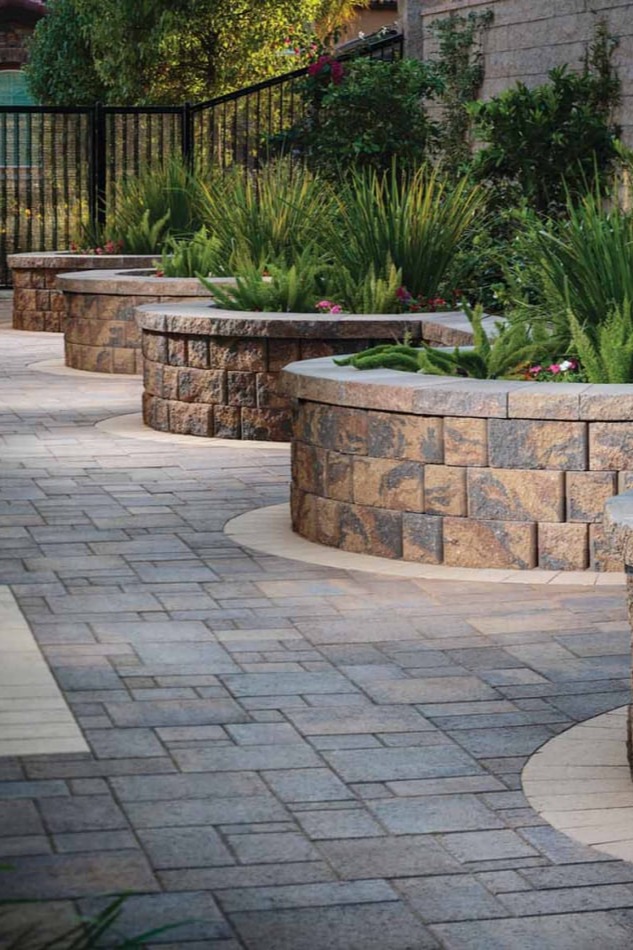
How can you explore cost-effective materials and techniques for retaining wall repair in Pittsburgh?
When it comes to finding affordable solutions for retaining wall repair, there are several options to consider.
One cost-effective material is concrete, which is widely available and relatively inexpensive. Concrete blocks can be used to repair or replace damaged sections of the wall, providing stability and durability.
Another affordable technique is retaining wall resurfacing, where a new layer of material is applied to the existing wall to improve its appearance and functionality. This can be done using materials such as stucco or stone veneer, which are more affordable than completely replacing the wall.
Additionally, exploring do-it-yourself repair techniques and consulting with professionals for guidance can help save costs while ensuring the repair is done correctly.
Common materials for constructing retaining walls include concrete blocks, poured concrete, natural stone, and timber. Each material has its own advantages and considerations, such as durability, cost, and aesthetics. It's important to choose the right material based on your specific needs and preferences.
Retaining walls should be inspected annually for maintenance purposes. Check for any signs of damage, such as cracks or bulges, and assess the stability and drainage of the wall. Address any issues promptly to ensure long-term flood prevention.
Yes, retaining walls can be installed on sloped landscapes. Proper design and construction techniques, including proper drainage, reinforcement, and consideration of soil conditions, are essential for a stable and effective retaining wall on sloped terrain.
To prevent soil erosion around your retaining walls, ensure proper drainage by installing weep holes and gravel backfill. Regularly inspect for cracks or bulges, and promptly repair any damage. Maintain vegetation and use erosion control measures like mulch or geotextile fabric.
For building or maintaining retaining walls in Pittsburgh, PA, specific permits and regulations may be required. It is important to research and comply with local building codes to ensure legal and safe construction.

Solid Retaining Walls
700 Forbes Avenue Apt 218,
Pittsburgh, PA, 15219
Phone Number:
724-787-1235
Email:
solidretainingwalls@gmail.com